Starting a website for your business might feel overwhelming — but it does not have to be. In 2026, the tools, platforms, and agencies available make it easier than ever to get a professional site up and running fast. The key is knowing what decisions to make and in what order.
At Team JUH, we have helped hundreds of businesses launch their first website. Here is the exact process we walk every client through.
Step 1: Get Clear on Your Goal
Before you pick a platform or hire anyone, ask yourself: what does this website need to do? Generate leads? Sell products? Book appointments? Showcase your portfolio? Your goal shapes every decision that follows — the platform, the design, the pages you need, and the features that matter.
A service business that wants to book consultations has very different needs from an e-commerce brand selling 500 products. Get specific about what success looks like for your site before spending a dollar.
Step 2: Choose the Right Platform
In 2026, the most popular options are WordPress, WooCommerce, Shopify, and Next.js. WordPress is ideal for service businesses, blogs, and content-heavy sites. WooCommerce (built on WordPress) is the go-to for businesses that want full control over their online store. Shopify is great for straightforward product-based businesses that want a hosted solution. Next.js is the right choice for businesses that want a blazing-fast, AI-powered site with custom functionality.
Not sure which fits your business? That is exactly what Team JUH helps you figure out — free of charge — during a discovery call.
Step 3: Secure Your Domain and Hosting
Your domain is your address on the internet — pick something short, memorable, and ideally your business name. Once you have a domain, you need hosting: a server where your website files live. For WordPress and WooCommerce sites, we recommend managed WordPress hosting providers like Kinsta or WP Engine. For Shopify, hosting is included. For Next.js, platforms like Vercel handle deployment seamlessly.
Step 4: Build the Core Pages First
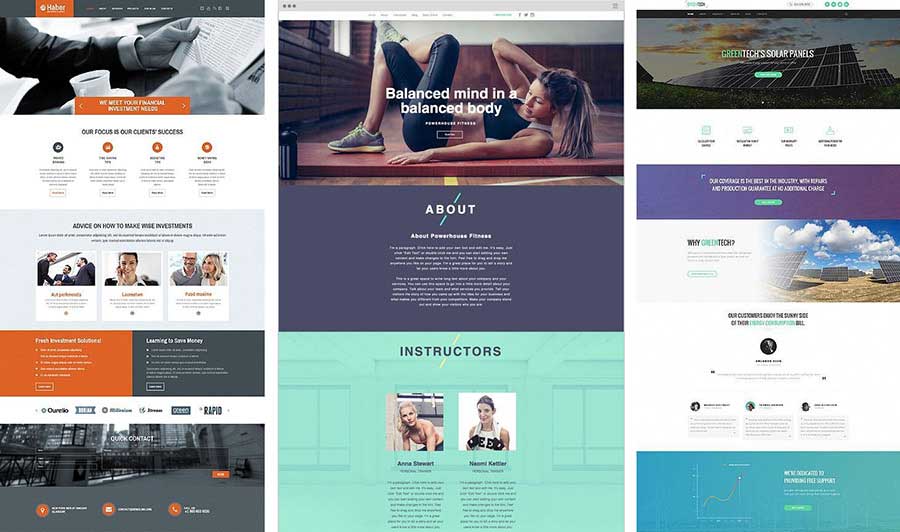
Every business website needs at minimum: a Home page, an About page, a Services or Products page, and a Contact page. Resist the urge to build everything at once. Launch lean with these essentials, then grow from there. A focused four-page website that loads fast and converts well beats a twenty-page site that confuses visitors.
Step 5: Optimise for Search Engines From Day One
Building your site with SEO in mind from the start saves enormous effort later. This means clean URL structures, fast load times, proper heading tags (H1, H2, H3), image alt text, and a plugin like Rank Math if you are on WordPress. Do not wait until your site is live to think about SEO — by then, bad habits are already baked in.
Step 6: Test, Launch, and Monitor
Before going live, test everything: check on mobile, test all forms, review every link, and confirm your site loads in under three seconds. After launch, set up Google Analytics and Google Search Console so you can see how people find and use your site. Data drives every smart decision from here.
Ready to build your business website the right way? Team JUH handles every step — from strategy to launch to ongoing support. Reach out today.